Komorbidity PTSD: Jak se traumata kombinují s jinými poruchami a co s tím
When someone has PTSD, porucha vzniklá po zážitku silného traumatu, která zahrnuje návratné vzpomínky, přehnanou reaktivitu a vyhýbání se podnětům. Also known as posttraumatická stresová porucha, it is rarely alone. In fact, more than 80 % of people diagnosed with PTSD in Czech clinical settings also struggle with at least one other mental health condition. This combination is called komorbidity PTSD, současný výskyt PTSD a dalších duševních poruch, které se navzájem posilují a komplikují léčbu. It’s not just bad luck—it’s how the brain and nervous system react when they’re overwhelmed.
Most common partners of PTSD are úzkostné poruchy, stav, kdy tělo a mysl jsou trvale v režimu „ohrožení“, deprese, pocit beznaděje a vyčerpání, který často vzniká po dlouhodobém stresu a pocitu bezmoci, and poruchy osobnosti, trvalé vzory chování a myšlení, které vznikají jako obrana proti bolesti. For example, someone who survived abuse might develop PTSD, then start avoiding people (social anxiety), feel worthless (depression), and struggle to trust anyone (borderline personality traits). These aren’t separate problems—they’re different expressions of the same wound.
Why does this happen? Because trauma doesn’t just leave a memory—it rewires how you feel safe, how you relate to others, and even how you see yourself. When the nervous system stays stuck in fight-or-flight mode, it starts leaking into other areas of life. You might turn to alcohol to calm down, or shut down emotionally to avoid pain. Over time, these coping strategies become patterns—habits that look like separate disorders, but are really just symptoms of an unhealed trauma.
What does this mean for you? If you’re struggling with PTSD and something else—like panic attacks, constant sadness, or unstable relationships—you’re not broken. You’re not failing therapy because you have “too many” problems. You’re experiencing a normal, predictable response to extreme stress. The good news? When you treat the trauma at its root, the other symptoms often start to fade. Somatic therapies, trauma-focused KBT, and DBT aren’t just for PTSD—they’re tools to help the whole system recover.
Many people in Czech clinics wait months just to start therapy, then give up when they don’t see quick results. But if you have komorbidity PTSD, you need a different approach—not more therapy, but smarter therapy. It’s not about fixing each symptom one by one. It’s about helping your nervous system learn safety again. That’s why some of the most helpful articles here talk about body-based healing, emotional regulation, and how to find a therapist who understands these connections.
You’ll find real stories here—from people who’ve been through multiple therapists, tried meds, hit walls—and finally found a path that worked. You’ll learn what to ask when you meet a new therapist, how to spot when a method isn’t right for trauma, and why some approaches make things worse before they get better. This isn’t about quick fixes. It’s about understanding the full picture so you don’t waste time chasing symptoms instead of healing the source.
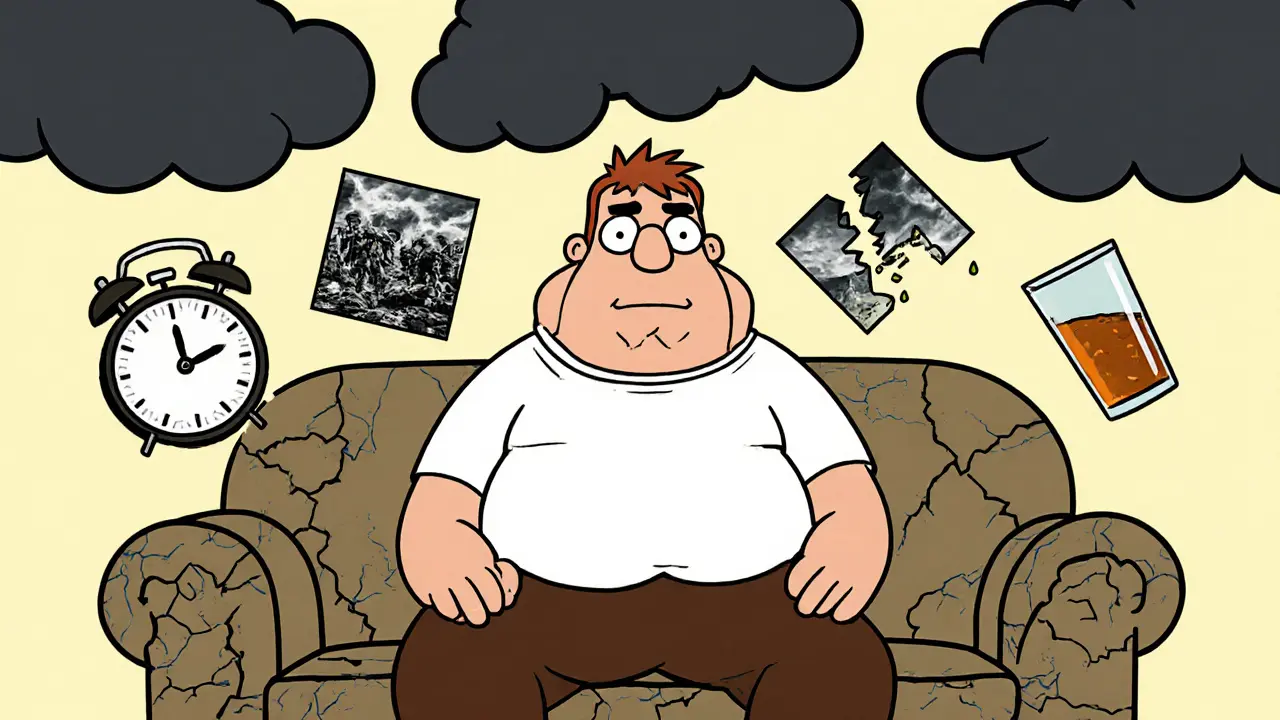
Komorbidity PTSD: Jak léčit deprese, úzkost a závislosti společně s posttraumatickou stresovou poruchou
